What Does Insurance Coverage Actually Include in Health Plans?
What Does Health Insurance Actually Cover?

Understanding insurance coverage can be confusing, especially when it comes to health insurance. Many people wonder what their health insurance plan actually covers and where the limits lie. This article will break down the essential aspects of what health insurance typically covers, helping you make informed decisions about your healthcare needs.
The Basics of Health Insurance Coverage
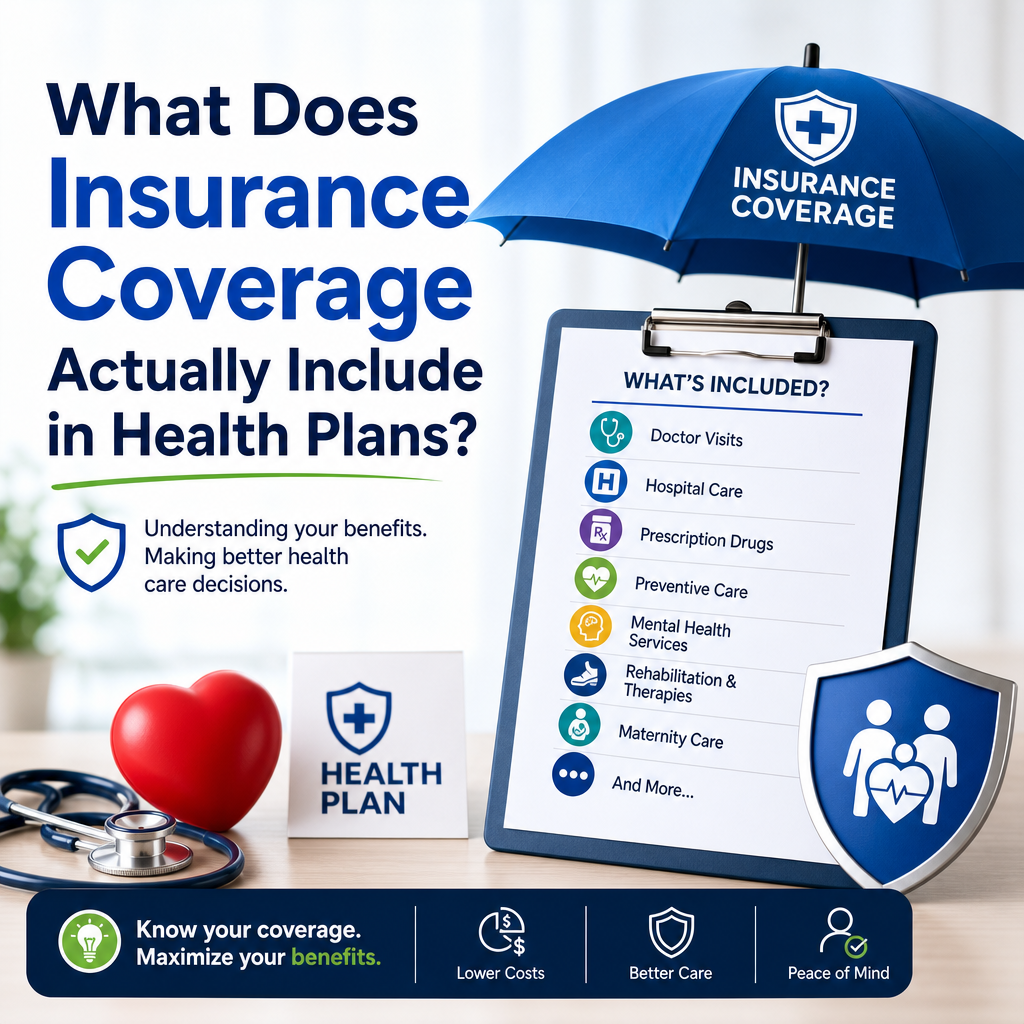
Health insurance is designed to protect you from high medical costs by covering a portion of your healthcare expenses. However, coverage varies widely depending on the plan, provider, and policy details. Generally, insurance coverage includes a combination of the following:
- Preventive care
- Emergency services
- Hospitalization
- Prescription drugs
- Maternity and newborn care
- Mental health services
- Rehabilitative services
Let’s explore these areas in more detail.
Preventive Care
One of the primary benefits of health insurance is covering preventive care services. These are designed to help detect or prevent illness before symptoms appear. Common preventive services include:
- Annual physical exams
- Immunizations and vaccines
- Screenings for cancer, diabetes, and cholesterol
- Counseling for healthy lifestyle choices
Most plans cover these services with no or low copayments because early detection can reduce more expensive treatments later.
Emergency Services
Insurance coverage typically includes emergency medical care, such as:
- Ambulance rides
- Emergency room visits
- Treatment for accidents or sudden illnesses
Regardless of whether you go to an in-network or out-of-network provider, emergency services are usually covered, though the cost-sharing percentage may differ.
Hospitalization
Hospital stays can be expensive, but health insurance helps cover:
- Room and board
- Surgery and anesthesia
- Laboratory tests
- Medications administered during the stay
It’s important to understand your plan’s deductible and co-insurance rates, as these will impact your out-of-pocket costs.
Prescription Drugs
Medications are a critical part of healthcare, and most health insurance plans include prescription drug coverage. This typically covers a wide range of medications, including:
- Generic drugs
- Brand-name drugs
- Specialty medications
Coverage often depends on whether a medication is included on your insurer’s formulary list, and some prescriptions may require prior authorization.
Maternity and Newborn Care
Expecting mothers benefit from insurance coverage that includes prenatal visits, labor and delivery services, and postnatal care. Newborns are often covered from birth under the parent’s plan for a certain period.
This aspect of insurance coverage is vital, considering the significant costs associated with childbirth and early child healthcare.
Mental Health Services
Mental health is increasingly recognized as a core part of overall health. Many insurance plans now cover:
- Therapy and counseling sessions
- Psychiatric care
- Substance abuse treatment programs
Coverage may vary, and some plans require you to use in-network providers to access full benefits.
Rehabilitative and Habilitative Services
Insurance coverage often includes rehabilitative services, which help you recover skills or functions lost due to injury, illness, or disability. Common examples include:
- Physical therapy
- Occupational therapy
- Speech therapy
Habilitative services, which help people acquire skills for daily living and functioning, may also be covered depending on your plan.
What Health Insurance Generally Does NOT Cover
While health insurance covers a wide range of services, there are notable exclusions and limitations, such as:
- Cosmetic surgery (unless medically necessary)
- Most dental care and vision services (except for some pediatric coverage)
- Alternative therapies like acupuncture or chiropractic care (unless specified)
- Experimental treatments and procedures
- Long-term care or custodial care
Knowing these exclusions helps avoid surprises when receiving bills.
Tips for Maximizing Your Insurance Coverage
To get the most out of your health insurance:
- Familiarize yourself with your plan’s summary of benefits.
- Use in-network providers to reduce costs.
- Take advantage of preventive care services.
- Understand your deductible, copay, and out-of-pocket maximum.
- Ask your insurer about coverage for specific treatments or medications beforehand.
Conclusion
Understanding what health insurance covers is essential for managing your healthcare expenses wisely. From preventive care to emergency services and mental health treatment, insurance coverage can significantly reduce your financial burden. However, knowing the details of your specific policy can help you avoid unexpected costs and make smarter healthcare choices.
Remember, each policy is different, so take the time to read your plan documents carefully and reach out to your insurer if you have any questions about what’s included.